Head-to-head
European Chub vs Grayling
How the tackle for european chub and grayling compares, and whether one setup can reasonably cover both.

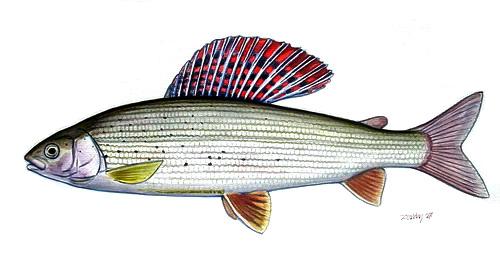
Photos: Wikimedia Commons (free licences) — credits on each species page.
Last reviewed 26 September 2026 · Editorial policy
Side by side
Tackle comparison
| European Chub | Grayling | |
|---|---|---|
| Water | Freshwater | Freshwater |
| Regions | UK, EU | UK, EU |
| Typical weight | 1–5 lb | 0.5–2 lb |
| Main line | 4–8 lb | 3–6 lb |
| Rod | Light to medium float or feeder rod; light spinning rod for lures, 9–13 ft | Light fly rod (#3–#5) or light float rod, 9–13 ft |
| Reel | 2500–4000 spinning | Fly reel for #3–#5 line, or 2500 spinning |
| Hooks | Size 8–16 depending on bait | Size 14–20 flies; size 14–18 bait hooks |
| Best conditions | Rivers after a small rise in level; year-round, including cold winter days. | Autumn and winter are traditional grayling seasons; clear, settled water. |
Verdict
Can one setup do both?
Line ranges overlap
Both species are commonly fished with 4–6 lb line, so a rod and reel matched to that range can cover both in typical conditions. Heavy cover or larger-than-average fish still push you toward the heavier end.
Shared methods
Techniques that work for both
Float Fishing
A buoyant float suspends bait at a set depth and signals bites by dipping or lifting.
Fly Fishing
Casting a weighted line that carries a nearly weightless artificial fly to the fish.
Related