Float Fishing
A buoyant float suspends bait at a set depth and signals bites by dipping or lifting.
Last reviewed 26 September 2026 · Editorial policy
How it works
Shot is spread down the line so the float sits with only its tip showing. Any change in that tip — a dip, a lift, a slide — is a fish. It is the most readable bite indication in fishing.
What you need
- Rod
- 11'–13' float or match rod
- Line
- 3–6 lb main line with a 2–4 lb hooklength
- Float
- Waggler for stillwater, stick float for flowing river water
Best for
Roach, perch, bream, tench, carp — and the best way to learn bite detection.
Species-specific setups


Common questions
What is float fishing?
A buoyant float suspends bait at a set depth and signals bites by dipping or lifting.
How does float fishing work?
Shot is spread down the line so the float sits with only its tip showing. Any change in that tip — a dip, a lift, a slide — is a fish. It is the most readable bite indication in fishing.
Is float fishing good for beginners?
It is rated 1/5 — very easy.
What tackle do I need for float fishing?
Rod: 11'–13' float or match rod. Line: 3–6 lb main line with a 2–4 lb hooklength. Float: Waggler for stillwater, stick float for flowing river water.
Which fish can I catch with float fishing?
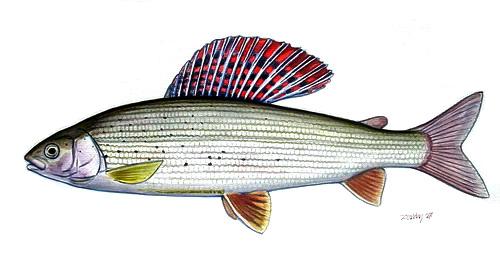
Rainbow Trout, Brown Trout, Common Carp, European Perch, Roach, Black Crappie, Bluegill, Tench, Common Bream, Yellow Perch, Atlantic Mackerel, European Chub, Grayling.
What mistakes should I avoid?
Set depth precisely. Most blank sessions on the float are the bait sitting at the wrong depth.