Fly Fishing
Casting a weighted line that carries a nearly weightless artificial fly to the fish.
Last reviewed 26 September 2026 · Editorial policy
How it works
Unlike all other methods, the line provides the casting weight. That lets you present tiny imitations of insects delicately, and drift them at the same speed as the current so they look natural.
What you need
- Outfit
- 3–5wt for trout streams, 6–8wt for stillwater and big streamers
- Line
- Weight-forward floating line to match the rod weight
- Leader
- 9 ft tapered leader; add tippet to match fly size
Best for
Trout, grayling, salmon, and increasingly bass, pike and saltwater species.
Species-specific setups


Common questions
What is fly fishing?
Casting a weighted line that carries a nearly weightless artificial fly to the fish.
How does fly fishing work?
Unlike all other methods, the line provides the casting weight. That lets you present tiny imitations of insects delicately, and drift them at the same speed as the current so they look natural.
Is fly fishing good for beginners?
It is rated 4/5 — fairly demanding.
What tackle do I need for fly fishing?
Outfit: 3–5wt for trout streams, 6–8wt for stillwater and big streamers. Line: Weight-forward floating line to match the rod weight. Leader: 9 ft tapered leader; add tippet to match fly size.
Which fish can I catch with fly fishing?
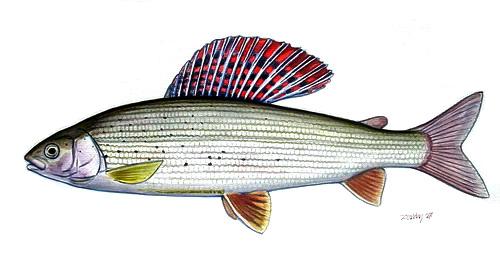
Smallmouth Bass, Rainbow Trout, Brown Trout, Northern Pike, Atlantic Salmon, Bluegill, European Chub, Grayling.
What mistakes should I avoid?
Drag — the fly moving unnaturally faster than the current — is the most common reason trout refuse a fly.