
Head-to-head
Atlantic Mackerel vs Grayling
How the tackle for atlantic mackerel and grayling compares, and whether one setup can reasonably cover both.

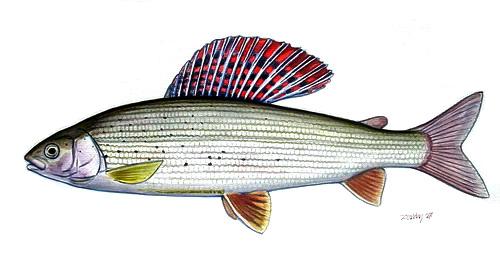
Photos: Wikimedia Commons (free licences) — credits on each species page.
Last reviewed 26 September 2026 · Editorial policy
Side by side
Tackle comparison
| Atlantic Mackerel | Grayling | |
|---|---|---|
| Water | Saltwater | Freshwater |
| Regions | UK, EU, US, CA | UK, EU |
| Typical weight | 0.5–2 lb | 0.5–2 lb |
| Main line | 8–15 lb | 3–6 lb |
| Rod | Light to Medium spinning or light beachcaster, 7–10 ft | Light fly rod (#3–#5) or light float rod, 9–13 ft |
| Reel | 3000–5000 spinning | Fly reel for #3–#5 line, or 2500 spinning |
| Hooks | Size 1–4 on feathers or small spinners | Size 14–20 flies; size 14–18 bait hooks |
| Best conditions | Summer and early autumn when shoals are inshore, especially on high tides and at dawn and dusk. | Autumn and winter are traditional grayling seasons; clear, settled water. |
Verdict
Can one setup do both?
Line ranges don't overlap
Atlantic Mackerel typically needs 8–15 lb line and grayling 3–6 lb. The gap is big enough that separate outfits are the sensible choice.
Shared methods
Techniques that work for both
Float Fishing
A buoyant float suspends bait at a set depth and signals bites by dipping or lifting.
Related