
Head-to-head
Barramundi vs Common Snook
How the tackle for barramundi and common snook compares, and whether one setup can reasonably cover both.

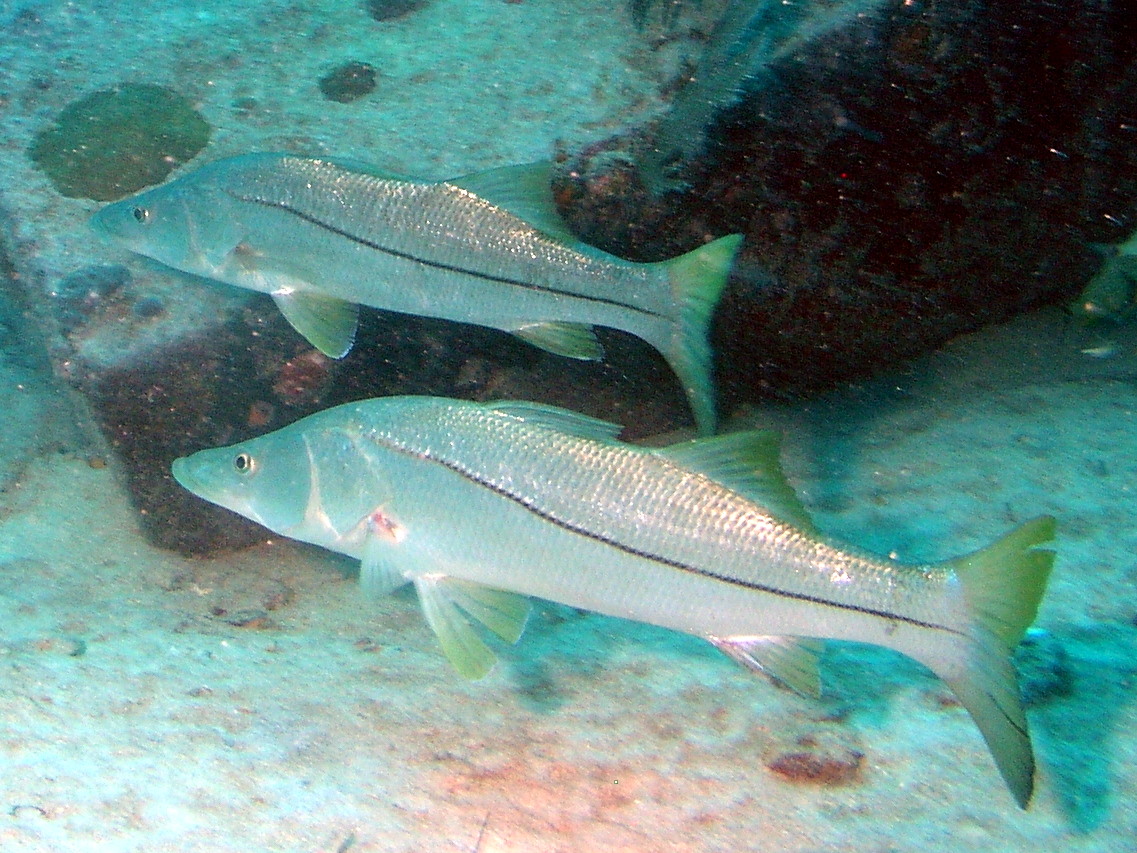
Photos: Wikimedia Commons (free licences) — credits on each species page.
Last reviewed 26 September 2026 · Editorial policy
Side by side
Tackle comparison
| Barramundi | Common Snook | |
|---|---|---|
| Water | Both | Saltwater |
| Regions | AU | US |
| Typical weight | 4–20 lb | 3–15 lb |
| Main line | 20–50 lb | 15–30 lb |
| Rod | Medium-Heavy, fast action, 6–7 ft | Medium to Medium-Heavy, fast action, 7–7.5 ft |
| Reel | 3000–4000 spinning, or a mid-size baitcaster | 3000–4000 spinning |
| Hooks | Heavy-gauge trebles or singles, 2/0–6/0 on lures | 1/0–4/0; circle hooks for live bait |
| Best conditions | Warm water, tide changes around creek mouths and drains; the run-off period after the wet season. | Moving tides, low light and night around lighted docks and bridges. |
Verdict
Can one setup do both?
Line ranges overlap
Both species are commonly fished with 20–30 lb line, so a rod and reel matched to that range can cover both in typical conditions. Heavy cover or larger-than-average fish still push you toward the heavier end.
Shared methods
Techniques that work for both
Jerkbait / Glidebait
A suspending or slow-sinking minnow worked with sharp rod jerks and long pauses.
Topwater
Surface lures — poppers, walkers and frogs — worked across the top for visual strikes.
Live Bait Rig
A live minnow, worm or leech on a light rig so it can swim naturally.
Related