Jerkbait / Glidebait
A suspending or slow-sinking minnow worked with sharp rod jerks and long pauses.
Last reviewed 26 September 2026 · Editorial policy
How it works
Each jerk darts the lure sideways; the pause leaves it hanging motionless. Cold-water fish that will not chase a moving bait commit during the pause, which can be as long as several seconds.
What you need
- Rod
- 6'6"–7' Medium, fast action, often shorter for jerking clearance
- Line
- 10–14 lb fluorocarbon (sinks, helps the lure stay down)
Best for
Cold, clear water — pike, bass and zander in late autumn through spring.
Species-specific setups


Common questions
What is jerkbait / glidebait?
A suspending or slow-sinking minnow worked with sharp rod jerks and long pauses.
How does jerkbait / glidebait work?
Each jerk darts the lure sideways; the pause leaves it hanging motionless. Cold-water fish that will not chase a moving bait commit during the pause, which can be as long as several seconds.
Is jerkbait / glidebait good for beginners?
It is rated 3/5 — moderate.
What tackle do I need for jerkbait / glidebait?
Rod: 6'6"–7' Medium, fast action, often shorter for jerking clearance. Line: 10–14 lb fluorocarbon (sinks, helps the lure stay down).
Which fish can I catch with jerkbait / glidebait?
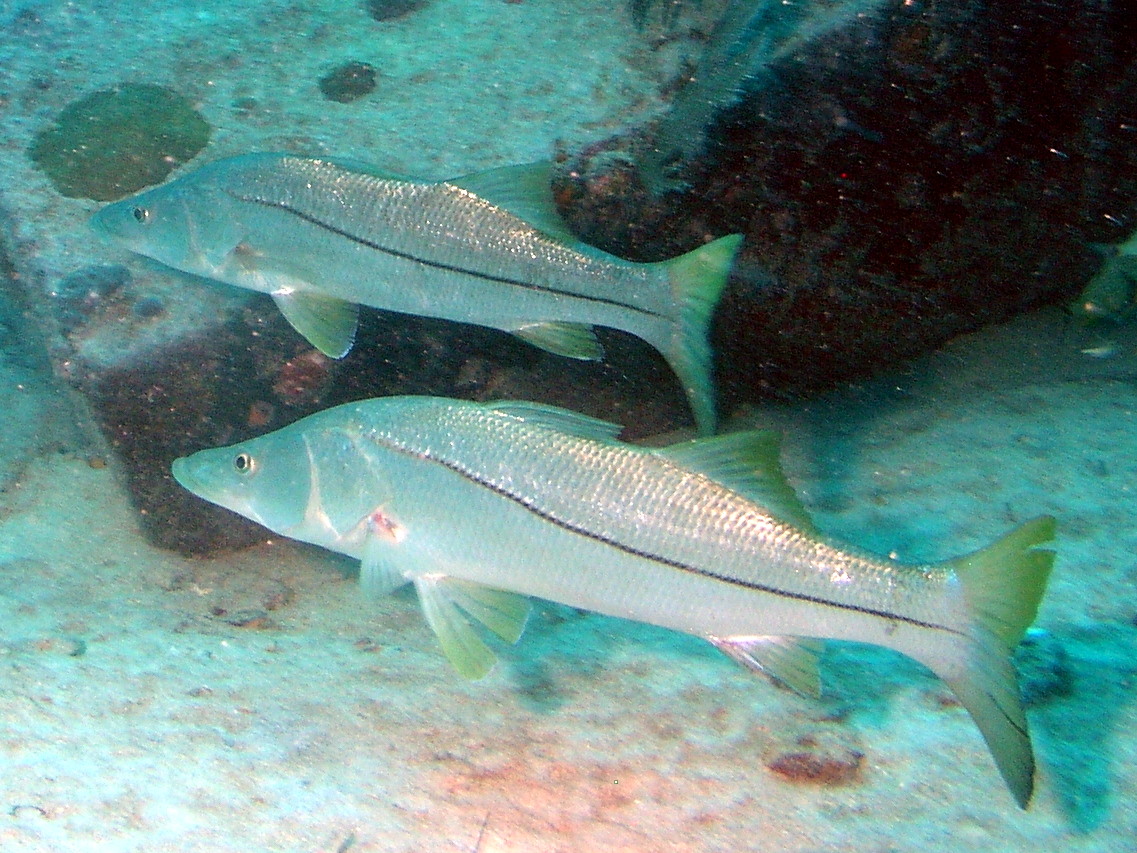
Northern Pike, Muskellunge, European Sea Bass, Barramundi, Common Snook.
What mistakes should I avoid?
The colder the water, the longer the pause. Most anglers do not pause long enough.