Spinning with Lures
Casting and retrieving spinners, spoons or small soft plastics on light spinning tackle.
Last reviewed 26 September 2026 · Editorial policy
How it works
A rotating blade or wobbling spoon puts out flash and vibration that predators detect on the lateral line as well as by sight, so it works in coloured water where sight-only baits fail.
What you need
- Rod
- 6'–7'6" Light to Medium spinning rod
- Line
- 6–12 lb mono or braid, matched to the species
- Trace
- Wire or 40 lb+ fluorocarbon trace whenever pike may be present
Best for
Trout, perch, pike, chub and sea bass — the most beginner-friendly lure approach.
Species-specific setups




Common questions
What is spinning with lures?
Casting and retrieving spinners, spoons or small soft plastics on light spinning tackle.
How does spinning with lures work?
A rotating blade or wobbling spoon puts out flash and vibration that predators detect on the lateral line as well as by sight, so it works in coloured water where sight-only baits fail.
Is spinning with lures good for beginners?
It is rated 1/5 — very easy.
What tackle do I need for spinning with lures?
Rod: 6'–7'6" Light to Medium spinning rod. Line: 6–12 lb mono or braid, matched to the species. Trace: Wire or 40 lb+ fluorocarbon trace whenever pike may be present.
Which fish can I catch with spinning with lures?
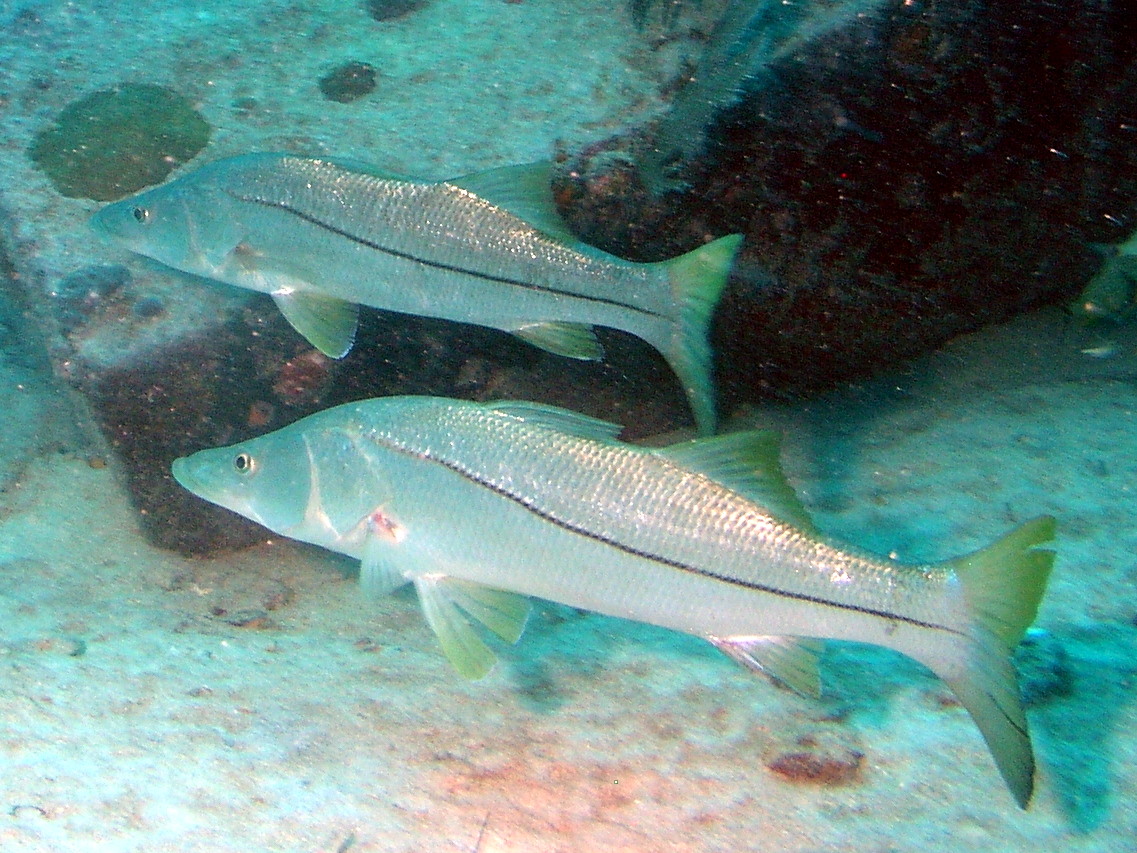
Rainbow Trout, Brown Trout, Northern Pike, European Perch, Atlantic Salmon, Striped Bass, Black Crappie, Muskellunge, Red Drum, European Sea Bass, Yellow Perch, Lake Trout, Common Snook, Bluefish, Atlantic Mackerel, European Chub.
What mistakes should I avoid?
Spinners twist line badly. Use a quality swivel and re-spool when coils appear.